
Print Photography:
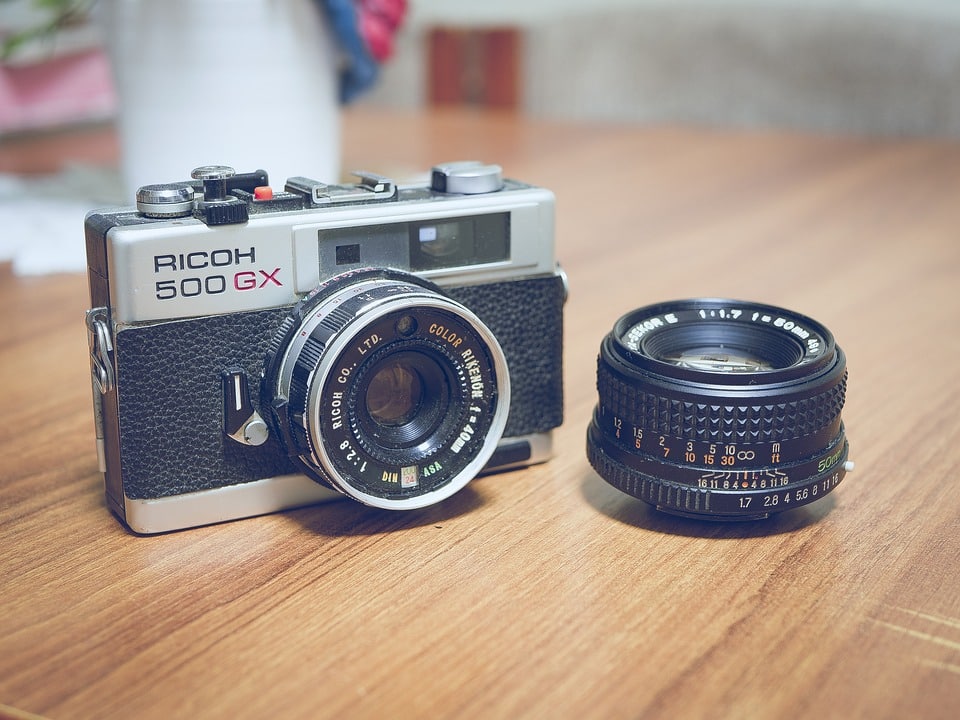
Print photography refers to the analogue method of photography, where images are captured using SLR cameras. This is the older way of taking pictures, using film that’s later developed into printed images through an analogue process involving chemicals. Print photography is generally more economical than digital photography, though film rolls themselves can prove costly. With their greater film capacity, analogue cameras also let in light across a wider area than digital cameras typically do.
The main drawback of a film camera is that you need a good understanding of its settings before you can use it properly. That said, this style of photography brings plenty of advantages too. The quality of the images is genuinely unmatched. Pictures come out sharp and clear thanks to the chemical reactions triggered when light falls onto the film through the shutter.

Digital Photography:
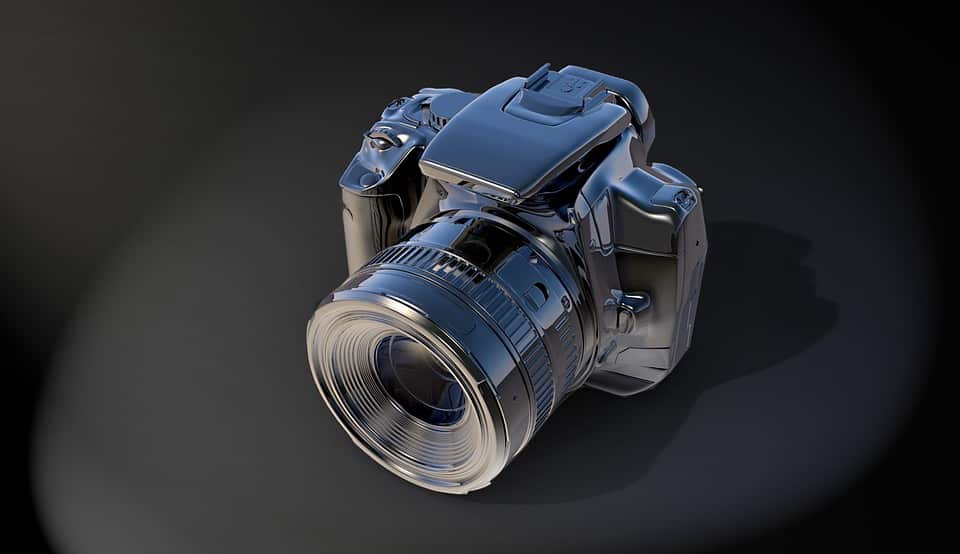
The main difference between print and digital photography comes down to the fact that a charge-coupled device (CCD) replaces film in digital cameras. A CCD is made up of small grids containing millions of photosensitive elements. These elements react to light the moment a photo is taken, registering a particular level of light as an electrical charge. Once transferred to an analogue-to-digital converter, these charges are turned into digital data. The biggest advantage of digital photography is that you can take as many photos as you like without worrying about wasting film, unlike with print photography. What’s more, images captured on digital cameras are stored on rewritable memory cards.