

Architectural photography is not always straightforward — getting truly great shots of buildings and structures takes thought, skill, and a little know-how. Here are some practical tips to help you get the best results.
When you begin shooting architectural images, getting your camera settings right from the start is essential. As a general rule, shoot at a low aperture. This helps you capture sharpness and the fine detail of the image much more effectively.
It is also worth experimenting by taking the same shot in three different ways — underexposed, normally exposed, and overexposed. Depending on the natural light available, one of those three will almost always give you the strongest result.
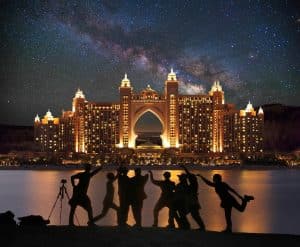
Do not feel obliged to capture the entire building in every shot. Instead, zone in on individual architectural details and elements, move closer, and shoot them in a creative and considered way. Including a human subject when photographing a large structure can also add a real sense of scale and life to the image — it is not essential, but worth considering when the situation allows.
Make shadows work in your favour. Large buildings and monuments offer wonderful opportunities to capture striking shots that use shadow as a compositional element. It takes patience to wait for the light to fall just right, but the results are well worth it.

Pay close attention to patterns. As a professional photographer, developing the ability to spot and frame repeating patterns within a building’s design is a real skill worth cultivating. In the early stages, you will likely face challenges getting everything just right — but with plenty of practice and a willingness to experiment, your eye will sharpen considerably.
As a beginner, make the most of every opportunity you get. Each shoot is a chance to push yourself further and take your architectural photography to the next level.