
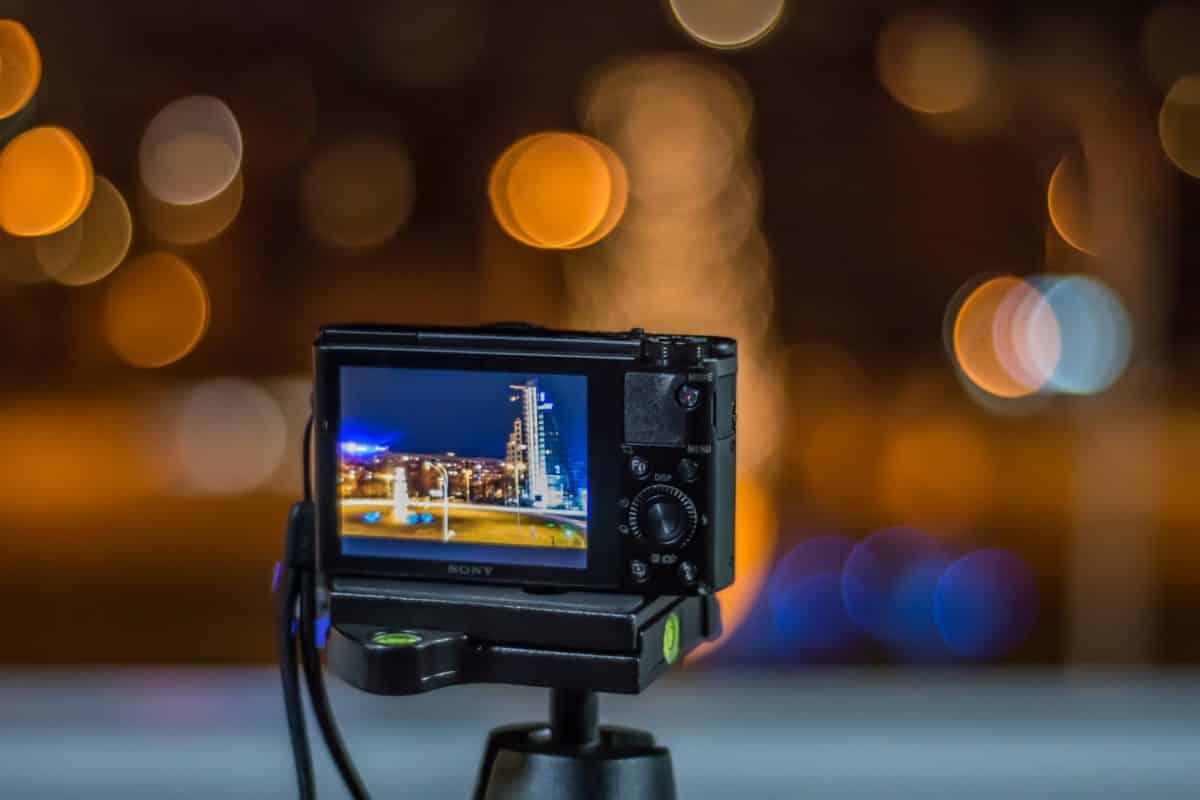
You may well wonder how it is possible to take great photographs even in very poor lighting. Here are some tips to help you capture better pictures in low light conditions.
# ISO is the key factor to consider when taking photographs in low light. The higher the ISO, the more sensitive your camera’s sensor becomes to the light reaching it. The additional noise generated by a high ISO setting can be removed during the post-processing stage. Shooting your pictures in RAW format provides you with greater flexibility during post-processing.

# Capture your images using a wider aperture. Selecting a larger aperture allows more light to enter through the lens. Bear in mind that using a wider aperture in low light conditions helps your camera to capture the maximum possible brightness.
# The next element to consider is shutter speed. Reduce the shutter speed in low light to capture your shots in the best possible way. The reason for this is that more light is captured the longer the shutter remains open. It is advisable to use a tripod when shooting at a very slow shutter speed.
# Finally, try to use the flash to your advantage when taking pictures. Avoid the on-camera pop-up flash, as this will flatten the image and compromise the quality of the photograph. If possible, you can also use an additional lighting setup to capture pictures in low light conditions.
As a professional photographer, you may find yourself in challenging situations such as shooting in very low light conditions. However, you should still be able to take pictures to the highest possible standard even in difficult circumstances. Whether you are a beginner or an experienced professional, you can follow these straightforward tips to achieve better results in very low light conditions.