

Lighting plays a hugely important role in photography, bringing captured photos to life. It can create striking effects, such as dramatic shadows or silhouettes, but it can just as easily work against you, producing unwanted glare and reflections.
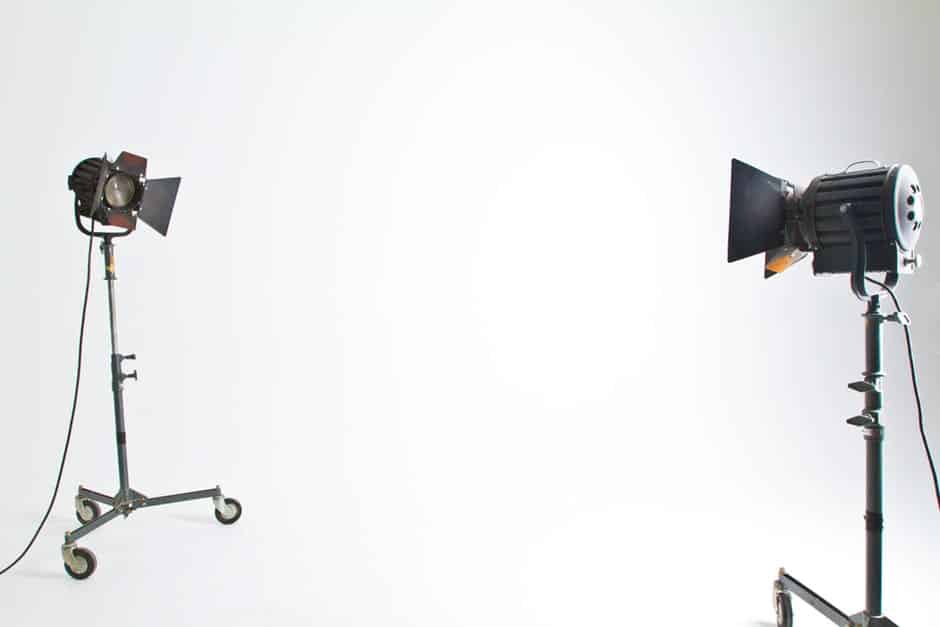
Hard & soft light:
Hard light produces dark, defined shadows, and tends to come from a single light source, whether close by or far away. Soft light, by contrast, produces gentle shadows or none at all, and can be created from several light sources, often with some kind of barrier placed in between.
Reflectors:
Reflectors typically act as a secondary light source. Almost anything can be used as a reflector, whether you’re shooting indoors or outdoors — from professional reflector boards to a simple sheet of paper.
Diffusers:
In natural light, clouds are the perfect example of a diffuser. With artificial lighting, any semi-transparent material that softens the light can do the job — lampshades are a great example, and even a thin white cloth can be used as a diffuser.

Artificial vs. natural light:
As a photographer, you should know how to make natural light work in your favour to get better outdoor shots. Early mornings and late evenings tend to be the best times for an outdoor shoot, relying on natural light. With artificial lighting, you have the freedom to set things up however suits you best to get the strongest results.
Ultimately, whether you’re shooting indoors or outdoors, a professional photographer should be able to make lighting work in their favour, even in the trickiest conditions. Artificial lighting will serve you well indoors, while natural lighting takes the lead in outdoor photography.