- To capture an eye-catching picture, set the image up within a 3×3 matrix frame, formed through the intersection of two vertical and two horizontal lines. Place the focal point in the centre square while positioning the subject away from the centre, towards one of the intersection lines. This adds an aesthetic look to the picture. A photo taken with this framing can be spectacular and dazzling. Mastering this technique is well on its way to bringing you success — it can easily become your secret weapon.
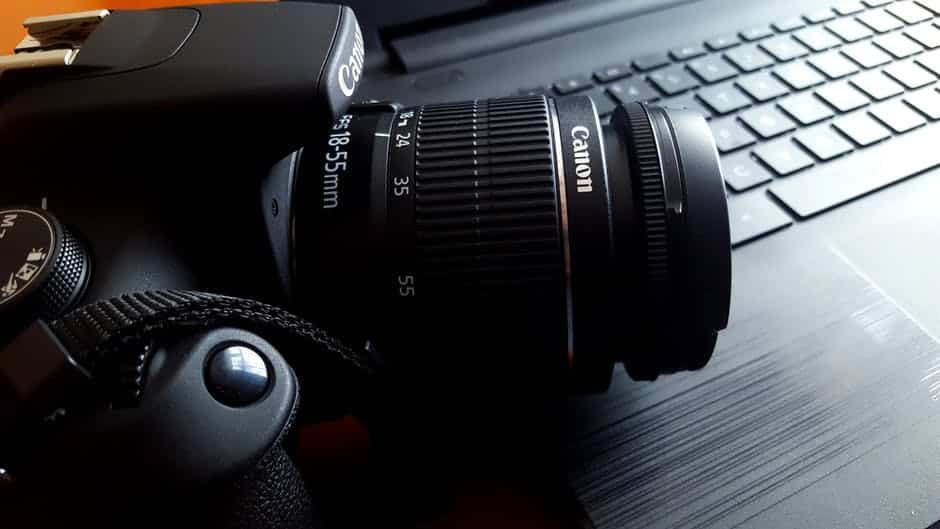
- To become an outstanding photographer, always remember to avoid camera shake or blur. To do this, you first need to know how to hold your camera properly using both hands, with one hand around the lens and the other around the body of the camera. For extra support, hold the camera close to your body. When shooting handheld, make sure you’re using a shutter speed appropriate to your lens’s focal length. With a slow shutter speed, any unintentional movement of the camera will result in a blurred image. It’s recommended to use a tripod or monopod to help prevent your images from blurring.
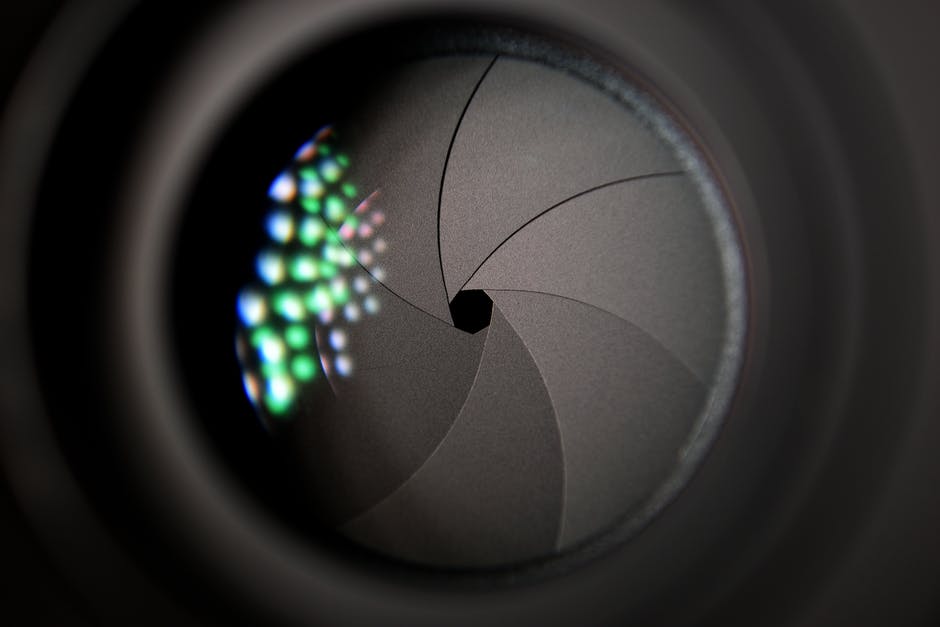
- To master photography, you should have a good understanding of three key elements — aperture, shutter speed and ISO — and how they relate to one another, meaning you need to consider the other two whenever you adjust one. If you’d rather not adjust these manually, you can always use Auto Mode, though the photo may not turn out quite the way you wanted. It’s worth learning to work with both aperture priority and shutter priority modes.

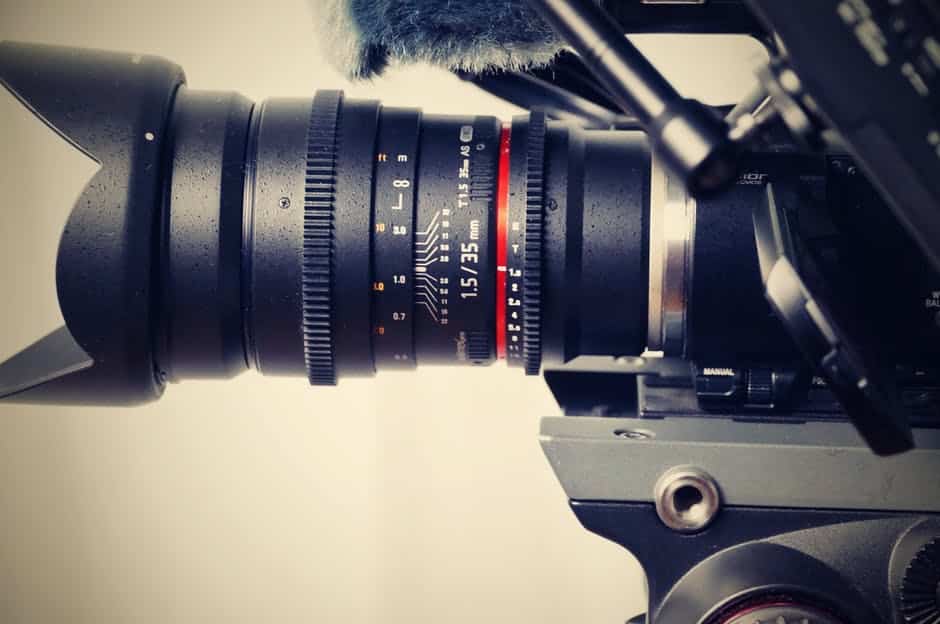
- A polarising filter is one of the best filters for your lens. A circular polariser is the most recommended type, as it allows your camera to use metering just like auto exposure. It also helps reduce reflections from water, metal and glass, and enhances sky colours.
- Keep this in mind when photographing landscapes: it’s important to create a sense of depth, which makes the viewer feel as though they’re really there. Always use a wide-angle lens for panoramic views, with the aperture set to f/16 or smaller, to keep both the foreground and background sharp.
- Simple backgrounds help you avoid distractions and keep the picture looking clean. Wherever possible, choose a plain background that enhances the subject in the picture, opting for neutral colours and simple patterns.
- Using flash indoors can make your picture look artificial and harsh. Instead of flash, try adjusting the ISO from 800 to 1600, which makes a big difference to your shutter speed. Using the widest possible aperture also lets more light into the photo. In cases where flash is needed, try a rotating flash you can angle towards the ceiling.

- Be careful when choosing your ISO, depending on the situation. In darker conditions, set the ISO higher, up to 3200, which makes the camera more sensitive; on sunny days, adjust it down to 100.
- This is the best way to capture objects in motion: set the shutter speed two stops lower than the actual reading. Make sure the subject is positioned halfway down the frame to lock the focus.
- Shutter speed should be adjusted according to your surroundings — for example, at night-time, set the shutter speed to 4 seconds. This changes depending on the scene you’re capturing, such as waves on a beach or a crowd of people.