

As a photographer, you should know how to use lighting effectively to capture your pictures in the best possible way. In outdoor photography, natural light will usually help you take the best photos, but with indoor photography, artificial lighting comes into play. Let’s look at some different light sources used in photography.
Natural Light:
Natural light refers directly to sunlight. When shooting outdoors, such as on seashores, in mountain areas or elsewhere, natural light alone will help you take great pictures. Artificial lighting is mostly avoided outdoors, unless some pictures are being taken at night. As a professional photographer, you should know how to use natural light to your advantage to capture the best photos.
Studio Lighting:
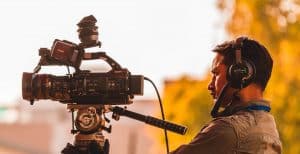
When there’s a need for professional shoots, such as model photography, product photography or similar work, these are taken in the studio using an artificial lighting setup. In the studio, we have full control over the lights: we can move them wherever we like around the subject, make the light soft or harsh, or even change its colour. The possibilities are practically endless when it comes to studio lighting.
A studio lighting setup is essential for product photography shoots, where the product images need to be taken in a way that tempts viewers to buy the product. Natural light won’t help in the case of a product photo shoot; a custom lighting setup is needed for product photography.
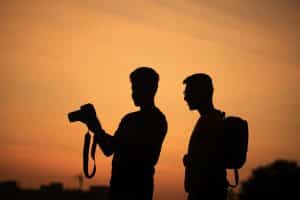
Even some cameras have flashes that will help you take great pictures in dark conditions or at night. As a photographer, to capture images in the best way, you should know how to use lighting and angles in different ways. Try capturing images from different angles to shoot creatively, rather than always shooting from the same angle.